
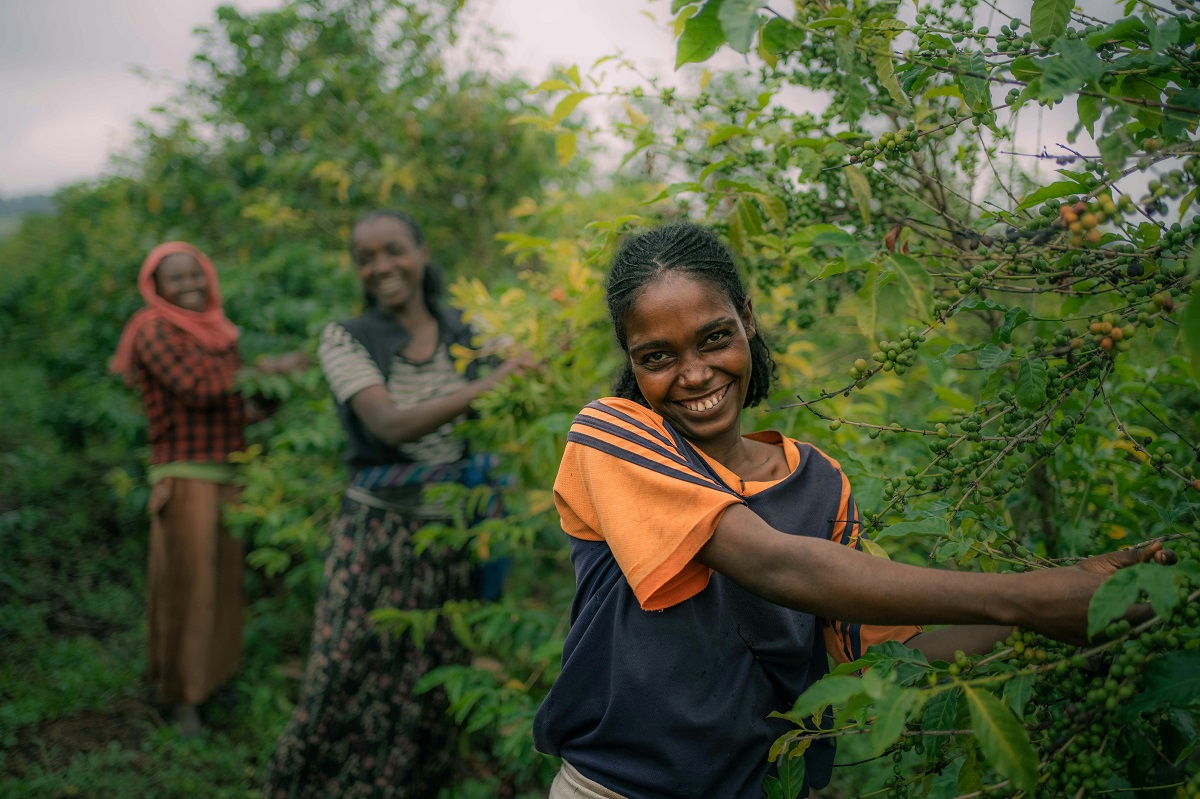
Women: The Backbone of Agricultural Development Across the Continent
Agriculture remains the backbone of many African economies—and women are the backbone of agriculture.
Across Sub-Saharan Africa, women comprise nearly 50% of the agricultural labor force (World Bank, 2023). In many African countries, women produce 70–80% of the food supply, especially at the smallholder level (World Food Programme, 2022). Yet women farmers face a 20–30% productivity gap compared to men due to unequal access to land, finance, inputs, and extension services (World Bank Gender Data Portal, 2023).
This gap is structural—not biological. And women-led cooperatives are proving to be one of the most effective mechanisms for closing it.
Closing the Productivity Gap: A Growth Multiplier
According to the <entity type=”organization”>World Bank</entity>, equalizing access to productive resources between women and men could:
- Increase farm yields by 20–30%
- Raise total agricultural output in developing countries by up to 4%
- Reduce the number of hungry people globally by 100–150 million
(Source: https://genderdata.worldbank.org/)
Given that agriculture contributes approximately 23% of GDP across Sub-Saharan Africa, improving women’s productivity is not marginal reform—it is macroeconomic strategy.
Food Security and Women Farmers
The <entity type=”organization”>World Food Programme</entity> reports that more than 280 million people in Africa face acute food insecurity in recent crisis assessments (WFP Global Report on Food Crises, 2023).
Climate shocks disproportionately affect smallholder farmers—most of whom are women. Organizing women into cooperatives improves:
- Climate resilience
- Storage and post-harvest systems
- Market aggregation
- Institutional supply access
Strengthening women farmers directly strengthens food security systems.
Informality and Vulnerable Employment
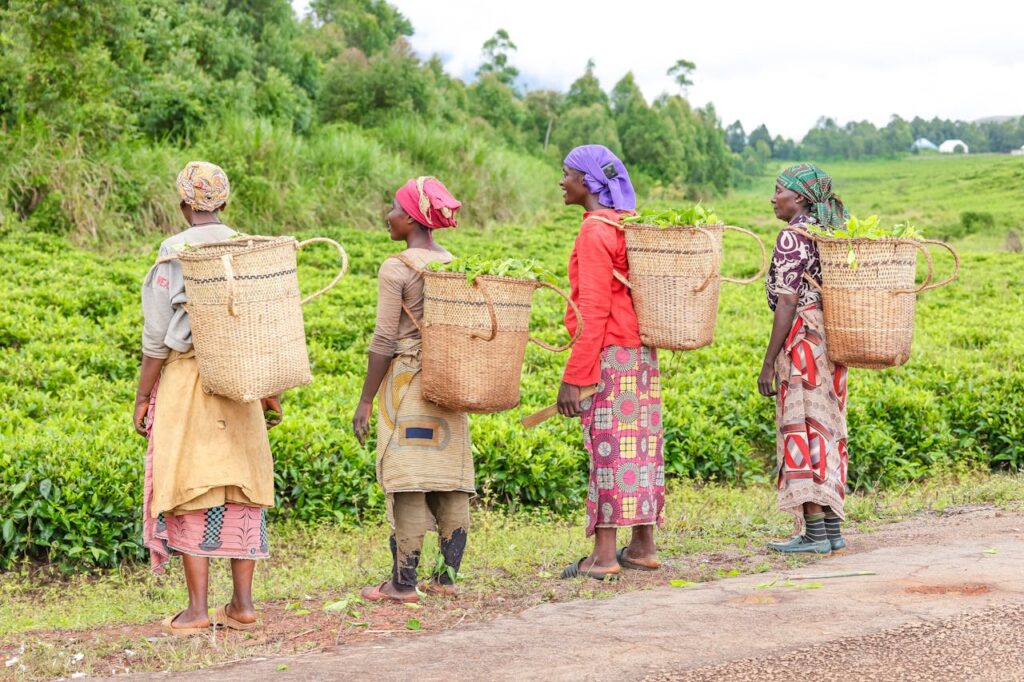
The <entity type=”organization”>International Labour Organization</entity> notes that women in Sub-Saharan Africa are disproportionately concentrated in informal and vulnerable employment, particularly in agriculture (ILO World Employment and Social Outlook, 2023).
Globally, women earn approximately 20% less than men, reflecting persistent gender pay gaps (ILO Global Wage Report 2022–23).
Cooperatives help transition women from informal labor to structured enterprise by providing:
- Governance frameworks
- Collective bargaining power
- Financial documentation
- Access to formal credit
Macroeconomic Stability and Inclusion
The <entity type=”organization”>International Monetary Fund</entity> emphasizes that higher female labor force participation correlates with stronger and more stable economic growth. In some countries, closing gender labor gaps could increase GDP by as much as 35%
(IMF: Pursuing Women’s Economic Empowerment).
Women-led cooperatives therefore function as engines of inclusive growth, reinforcing:
- Household income stability
- Educational investment
- Nutritional outcomes
- Local savings and reinvestment
The Cooperative Advantage
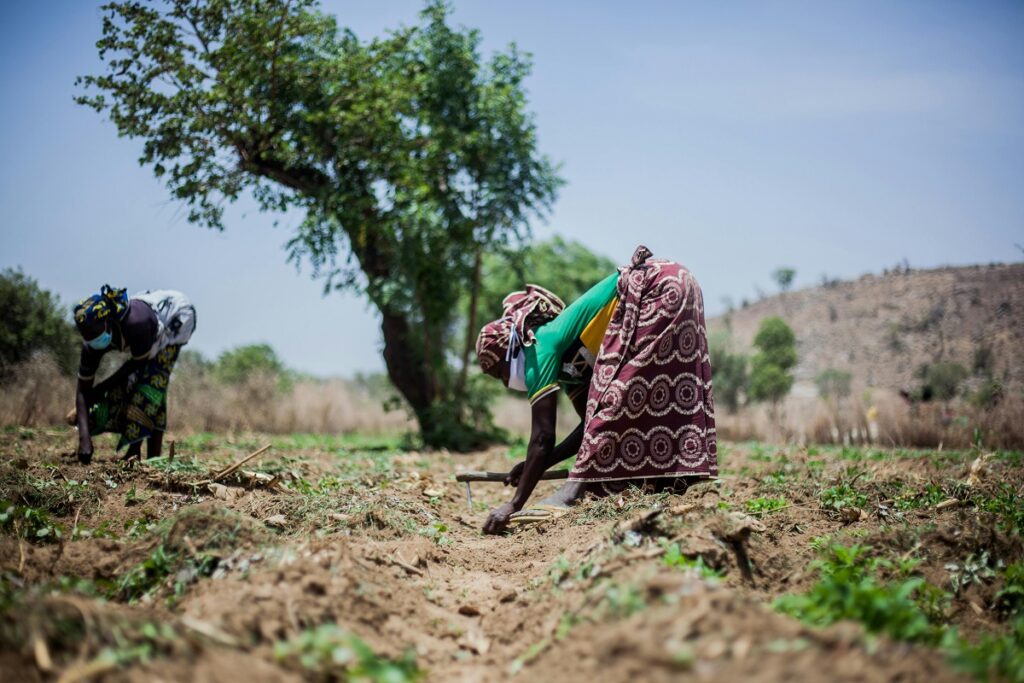
Women farmers face systemic barriers:
- Limited land ownership
- Restricted access to finance
- Poor storage and transport
- Market exploitation
Cooperatives address these structurally through:
✔ Collective purchasing of inputs
✔ Shared processing infrastructure
✔ Aggregated market access
✔ Internal savings and lending mechanisms
✔ Democratic leadership participation
The result is higher productivity, reduced vulnerability, and stronger community economies.
Join the Movement
Women-led cooperatives are not charity models. They are economic engines for Africa’s future.
🔹 Support Women-Led Cooperatives
Donate to expand cooperative training and empowerment programs:
👉 https://www.ensign.coop/donate
🔹 Start or Join a Cooperative
Register today and become part of a global movement:
👉 https://www.ensign.coop/register
🔹 Existing Members
Access your cooperative dashboard:
👉 https://www.ensign.coop/login
Together, we can unlock Africa’s agricultural potential—through women, through cooperation, through shared prosperity.