
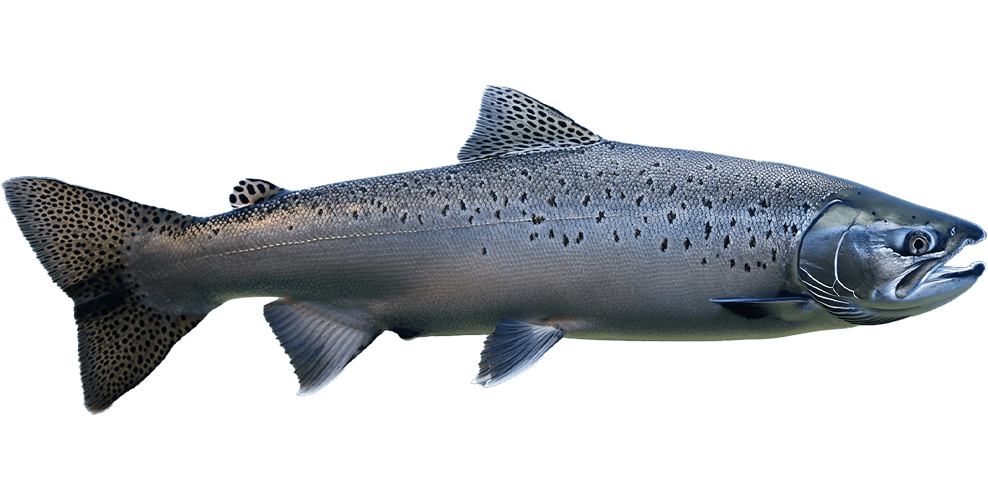
Feeding a Continent, Building Wealth
Nigeria stands at the threshold of one of the most promising agricultural investment opportunities of the 21st century. As Africa’s most populous nation, with a population exceeding 220 million people, the demand for fish continues to rise dramatically while local production struggles to meet consumption needs.
This widening supply gap presents an extraordinary opportunity for investors, cooperatives, entrepreneurs, and community-based organizations seeking sustainable, high-return ventures capable of generating both economic prosperity and food security.
Fish farming is no longer a subsistence activity. It has evolved into a strategic agribusiness sector with immense potential for wealth creation, employment generation, and economic transformation.
Nigeria’s Massive Fish Supply Deficit
According to industry and development reports, Nigeria’s annual fish demand exceeds 3.5 million metric tonnes, while domestic production remains significantly below this requirement, creating a supply deficit estimated at over 2 million metric tonnes annually. As a result, the country spends approximately US$1 billion every year on fish imports to satisfy local demand. This represents a huge market opportunity waiting to be captured by local producers and investors.
Nigeria currently produces more than one million metric tonnes of fish annually, making it the largest aquatic food producer in Sub-Saharan Africa and the second-largest aquaculture producer in Africa after Egypt. Yet production remains far below national demand, leaving enormous room for expansion.
For investors, this means one thing:
The market already exists. Demand is guaranteed.
Why Fish Farming Delivers Attractive Returns on Investment
Fish farming offers several advantages over many traditional agricultural ventures:
1. Rapid Production Cycles
Catfish, Nigeria’s most popular cultured species, can reach market size within 4 to 6 months under proper management. This allows multiple production cycles annually, creating faster cash flow and quicker returns on capital.
2. Strong Consumer Demand
Fish remains one of the most affordable and widely consumed sources of animal protein in Nigeria. Growing urbanization, population growth, and increasing health consciousness continue to fuel demand across all income levels.
3. Proven Profitability
Recent profitability studies of catfish farms in Nigeria show benefit-cost ratios significantly above 1.0, indicating profitable operations. Research demonstrates that well-managed fish farms can generate substantial gross margins and positive net returns, even after accounting for production costs.
4. Expanding Value Chain Opportunities
Beyond fish production itself, investment opportunities exist throughout the value chain, including:
- Hatcheries and fingerling production
- Feed manufacturing
- Grow-out farming
- Fish processing
- Cold chain logistics
- Smoked fish production
- Fish marketing and distribution
- Export-oriented production
Each segment offers unique opportunities for investors and cooperative enterprises.
The Hidden Goldmine: Fish Feed Production
One of the most overlooked opportunities in Nigeria’s aquaculture sector is fish feed manufacturing.
Industry studies consistently show that fish feed accounts for between 60% and 80% of total production costs for fish farmers. In many operations, feed represents the single largest expense.
Recent increases in feed prices have further highlighted the urgent need for locally produced, affordable, and high-quality fish feed. Reports indicate that feed prices have doubled in some markets within a single year, creating both a challenge and an investment opportunity.
For investors and cooperatives, feed production offers several advantages:
- Recurring demand from fish farmers
- Scalable manufacturing operations
- Strong local market potential
- Import substitution opportunities
- Potential for regional exports
As fish farming expands across Nigeria and West Africa, feed production will become increasingly profitable and strategically important.
Why Cooperatives Are Perfectly Positioned
The cooperative model provides a powerful framework for participating in the fish farming value chain.
Through cooperatives, members can:
- Pool financial resources
- Acquire land collectively
- Invest in larger production systems
- Purchase feed in bulk
- Access training and technical support
- Improve market access
- Reduce production costs
- Share risks and rewards
Successful aquaculture enterprises often require coordinated investment and management. Cooperatives provide the ideal structure to achieve economies of scale that individual farmers may struggle to attain alone.
Global Trends Confirm the Future of Aquaculture
The future of fish production is increasingly dependent on aquaculture.
According to the Food and Agriculture Organization (FAO), aquaculture has now surpassed wild-capture fisheries as the world’s primary source of aquatic food production. This historic milestone demonstrates the growing importance of fish farming in feeding the global population.
As global demand for protein continues to rise, aquaculture is expected to remain one of the fastest-growing food production sectors worldwide. Nigeria is exceptionally well-positioned to benefit from this global transformation due to its extensive water resources, favorable climate, entrepreneurial population, and large domestic market.
The Ensign Cooperative Vision
At Ensign Multipurpose Cooperative Limited, we believe that Africa’s economic transformation will be driven by productive enterprise, collective ownership, and sustainable wealth creation.
We are actively exploring opportunities to support members and partner cooperatives interested in:
- Commercial fish farming
- Aquaculture investment projects
- Fish feed manufacturing
- Agricultural value-chain development
- Cooperative enterprise expansion
- Sustainable food production initiatives
Our vision is to build a network of economically empowered individuals and cooperatives capable of participating meaningfully in Africa’s emerging industries.
Join the Movement
The opportunity is clear.
Nigeria’s fish demand continues to outpace supply.
Fish imports continue to drain valuable foreign exchange.
Feed manufacturing remains underserved.
Investors are seeking profitable, recession-resistant opportunities.
Cooperatives are uniquely positioned to scale solutions.
The question is no longer whether fish farming will grow.
The question is who will seize the opportunity.
Register Your Interest Today
Whether you are:
- An individual investor
- A fish farmer
- An agricultural entrepreneur
- A cooperative society
- A community development organization
- A youth or women-led enterprise
We invite you to explore partnership and investment opportunities with Ensign Multipurpose Cooperative Limited.
Register your interest:
https://www.ensign.coop/register
Learn more about Ensign:
https://www.ensign.coop
Contact Us
Telephone: +44 783 065 7847
Email: Info@ensign.coop
Together, we can build a stronger, more food-secure, and economically prosperous Africa through cooperative enterprise and strategic investment in aquaculture.